

Dresden Files Reading Order: Complete Guide (2026)


I've read and rated all 18 mainline Dresden Files novels, almost entirely on audio, and somewhere along the way Harry Dresden turned into one of my favorite comfort reads. So when people ask me where to start, I have opinions.
Jim Butcher's Dresden Files is one of the longest-running urban fantasy series going: 18 mainline novels, two short story collections, and a graphic novel series. With that much on the shelf, where you start and what order you read in actually matters. This guide covers every mainline novel in publication order (which is also the recommended reading order), with my personal rating for each, plus where the short story collections fit and which books mark the real turning points.
The Dresden Files in Publication Order
For first-time readers, publication order is the recommended reading order. Here are all 18 mainline novels in order:
Storm Front (2000)
Fool Moon (2001)
Grave Peril (2001)
Summer Knight (2002)
Death Masks (2003)
Blood Rites (2004)
Dead Beat (2005)
Proven Guilty (2006)
White Night (2007)
Small Favor (2008)
Turn Coat (2009)
Changes (2010)
Ghost Story (2011)
Cold Days (2012)
Skin Game (2014)
Peace Talks (2020)
Battle Ground (2020)
Twelve Months (2026)
The Short Answer
Read in publication order. Don't skip ahead. The series builds on itself in ways that make jumping around confusing fast. If you're impatient, at least start with book 1. But know that the series hits its stride around book 3 (Grave Peril) and never looks back.
A Note on the Audiobooks
I've consumed the entire series on audio, and it's become one of my go-to comfort listens. James Marsters narrates every mainline novel, and his Harry Dresden is so definitive that I can't hear the books any other way now. His timing on Harry's sarcasm, the banter with Bob, the cold menace of Mab: it all lands. If you're deciding between print and audio, the audiobooks are the version I'd point you to first. The reading order below is identical either way.
Every Dresden Files Book in Order
The Early Cases (Books 1–3)
These establish Harry Dresden as Chicago's only professional wizard and PI. They're the most "monster-of-the-week" entries in the series. Fans debate whether to start here or skip to book 3, but I'd say start from the beginning. Storm Front sets up relationships that pay off 15 books later.
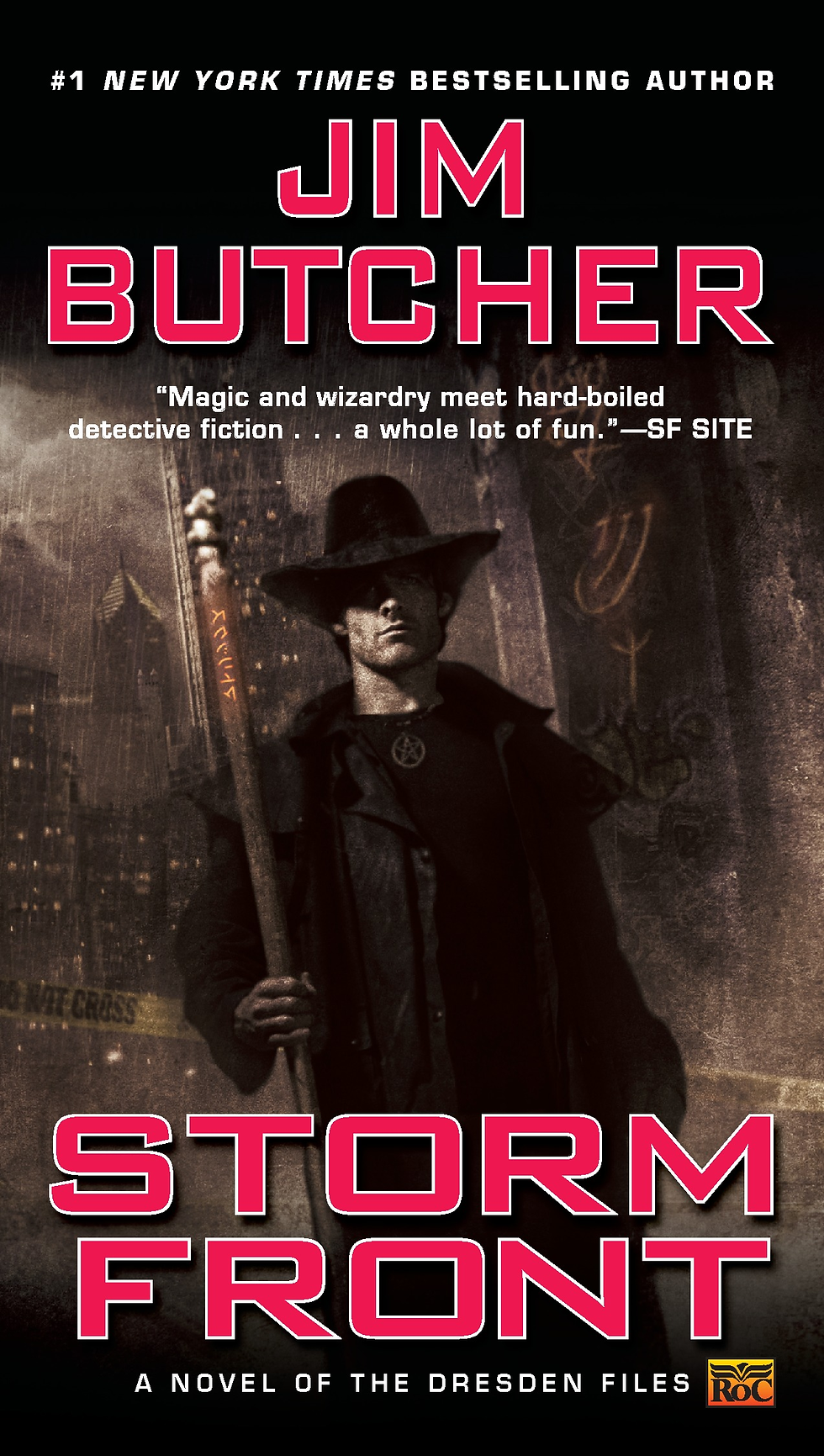
1. Storm Front (2000). Harry Dresden is the only wizard in the Chicago phone book, scraping by as a private investigator while consulting for the police department's Special Investigations unit. His first case involves a dark practitioner using black magic to explode people's hearts, and Harry quickly lands on the suspect list himself. It's rough around the edges and Butcher is still finding his voice, but the noir bones and the wisecracking first-person narration are already here. My rating: 4/5.

2. Fool Moon (2001). A string of brutal killings around the full moon drags Harry into Chicago's werewolf scene, which turns out to be far more crowded and complicated than anyone expected. Butcher gives us several distinct flavors of lycanthropy at once, from college kids playing with enchanted belts to genuine monsters. The pacing sags in places, but the worldbuilding starts to show real ambition. My rating: 3/5.

3. Grave Peril (2001). This is where the series transforms. A vengeful ghost problem escalates into open war with the Red Court of vampires, and it introduces Michael Carpenter, the Knight of the Cross who becomes one of the series' emotional anchors. The choices Harry makes here set off consequences that ripple through the next 15 books. If you're going to give Dresden one real chance, get to this book. My rating: 4/5.
The Rise (Books 4–6)
Harry starts dealing with the supernatural power structure: faerie courts, fallen angels, and the White Council of wizards.
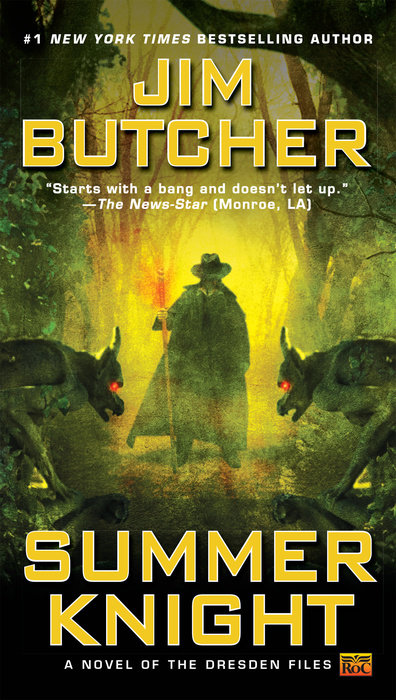
4. Summer Knight (2002). Reeling and half-broken after Grave Peril, Harry is pulled into a murder investigation at the heart of the Faerie Courts. The death of the Summer Knight threatens to tip the balance between Summer and Winter, and Mab makes her first real play for Harry. This is where the faerie politics that dominate the back half of the series take hold. My rating: 4/5.

5. Death Masks (2003). The Denarians arrive, a faction of fallen angels bound to ancient silver coins, and they're one of the best villain groups in modern fantasy. Harry juggles a duel with the Red Court, the theft of the Shroud of Turin, and the return of his old flame Susan. It's the moment the series' scope tilts from monster-of-the-week cases toward genuine cosmic stakes. My rating: 5/5.

6. Blood Rites (2004). A job involving cursed movie sets and White Court vampires turns into a deeply personal story about family and where Harry actually comes from. The book lands some of the funniest set pieces in the series alongside one of its biggest emotional gut-punches. It's also where Harry learns he has a half-brother, a reveal that reshapes his world for the rest of the series. My rating: 5/5.
The Peak (Books 7–12)
This is where Dresden becomes great. Every book raises the stakes, the consequences compound, and Harry is pushed further than you'd think possible.

7. Dead Beat (2005). Necromancers descend on Chicago in a race to perform a ritual that would grant godlike power, with the city's dead literally up for grabs. Yes, there is a zombie, and yes, there is a dinosaur, and the way Butcher earns that moment is glorious. It's a fan favorite for good reason and a perfect showcase for everything the series does well. My rating: 5/5.

8. Proven Guilty (2006). Horror-movie monsters start manifesting at a fan convention while Harry faces a trial before a paranoid White Council hunting for a traitor. Molly Carpenter steps into a central role here, and her arc reshapes Harry's responsibilities going forward. The mix of slasher-movie horror and political dread makes this one of the tensest entries. My rating: 4/5.

9. White Night (2007). Someone is murdering Chicago's minor magical practitioners and staging the deaths to look like suicides, and the trail leads back toward the White Court. This is Harry at his most detective-driven, working a genuine mystery while wrestling with the dark power he's been carrying since Dead Beat. The Raith family intrigue pays off threads planted several books earlier. My rating: 5/5.

10. Small Favor (2008). Mab calls in one of the favors Harry owes her just as the Denarians return in force, dropping him into the crossfire of two of the series' scariest factions. The Archive, Ivy, and Kincaid get some of their best material here. The action barely stops to breathe, from the Gruffs hunting Harry across the city to the desperate fight to keep Ivy out of Nicodemus's hands. My rating: 5/5.

11. Turn Coat (2009). Warden Morgan, Harry's longtime antagonist inside the Council, turns up framed for murder and begs Harry of all people for help. What follows is a paranoid political thriller about the rot within the White Council and the shadowy Black Council pulling strings. The betrayals here recontextualize a lot of what came before. My rating: 5/5.

12. Changes (2010). The single most important book in the series. The Red Court takes Harry's daughter, and he burns down every part of his old life to get her back. The title is not metaphorical, and the final page is one of the great cliffhangers in the genre. Read it and try to stay calm. My rating: 5/5. Read my spoiler-free review.
The Aftermath (Books 13–15)

13. Ghost Story (2011). Picking up directly from the Changes cliffhanger, this is a quieter, more introspective book about consequences and identity. It splits fans because it slows the momentum right after the biggest shake-up in the series, but it does necessary character work. I think it's underrated, and it rereads far better once you know where the story is going. My rating: 5/5. Read my full review.

14. Cold Days (2012). Harry steps fully into his new role as the Winter Knight and immediately gets handed an impossible assignment by Mab. The mythology expands dramatically here, from the true purpose of his new position to the cosmic-scale threats lurking behind the series' monsters. By the end, Harry learns the Winter Knight role is really about guarding reality's outer gates, not just doing Mab's dirty work. My rating: 5/5. Read my full review.
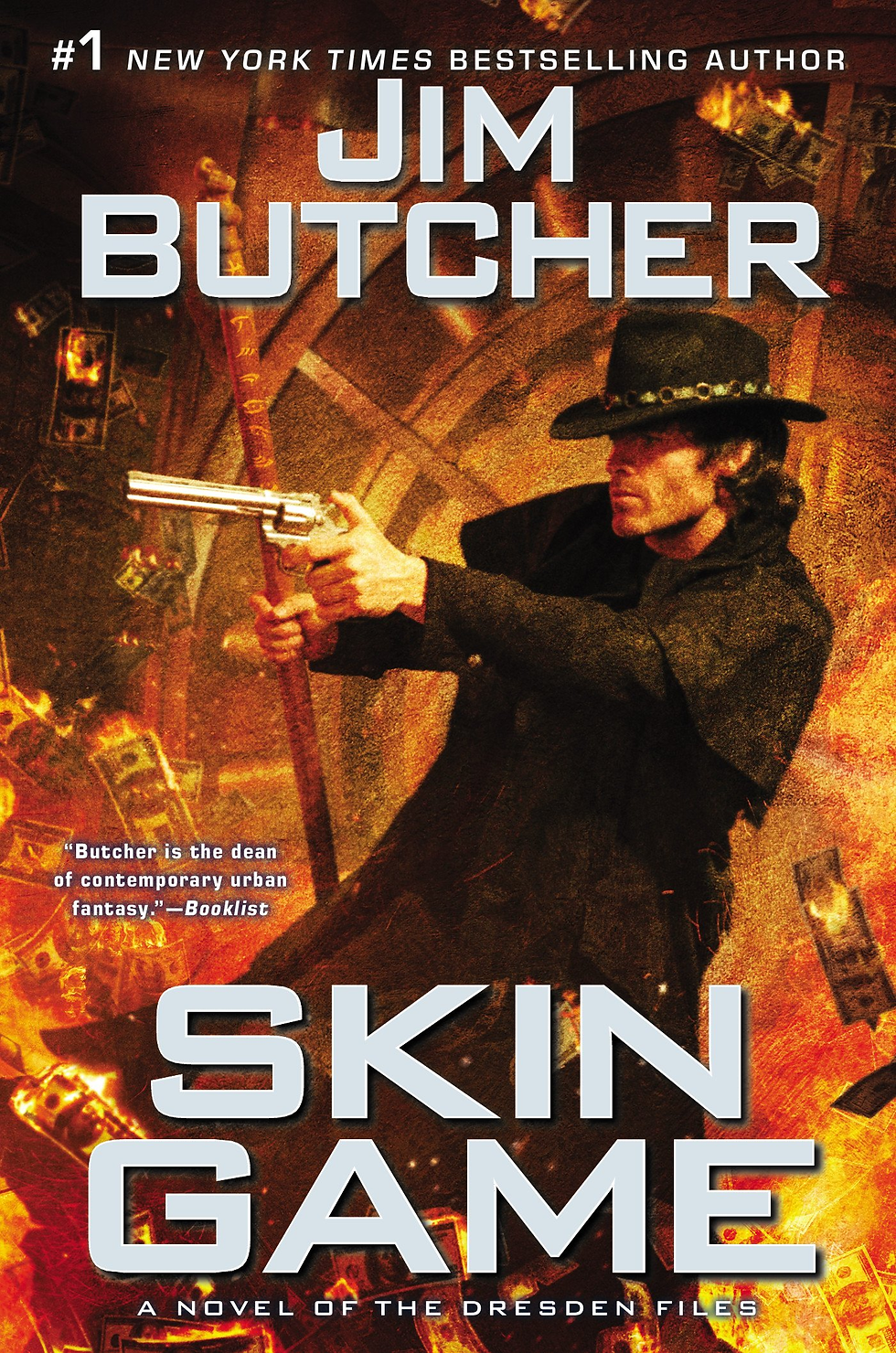
15. Skin Game (2014). Mab loans Harry out to his enemy Nicodemus for a heist on the vault of Hades himself, forcing him to work alongside people who would happily kill him. It's a tightly constructed caper full of double-crosses, and the win comes from Harry out-thinking Nicodemus rather than out-muscling him. Widely considered one of the best Dresden books, and it's hard to argue. My rating: 4.7/5. Read my full review.
The BAT Setup (Books 16–18)
Butcher has said the series will end with a Big Apocalyptic Trilogy (the BAT). These books are laying the groundwork.

16. Peace Talks (2020). The supernatural nations gather in Chicago for a peace summit, and of course it all goes sideways while Harry's family loyalties are tested. It's deliberately setup-heavy and ends mid-story, so it's best read as the first half of a duology with Battle Ground. On its own it frustrates some readers, but the groundwork it lays is essential. My rating: 5/5. Read my full review.

17. Battle Ground (2020). This is the payoff Peace Talks was building toward, a nonstop battle for the survival of Chicago that draws on every alliance and grudge from the previous 16 books. It's relentless, and it delivers a loss that reshapes Harry going forward. Read it immediately after Peace Talks. My rating: 5/5.

18. Twelve Months (2026). Harry tries to spend a year putting his life back together after Battle Ground, and naturally the world won't let him. The character work here is the best in the series, slowing down to actually sit with grief, recovery, and the relationships he nearly lost. It's the recovery arc he deserved, and a reminder of why these characters matter. My rating: 5/5. Read my full review.
Short Story Collections: Where Do They Fit?
Butcher has published two short story collections that fill in gaps between novels:
Side Jobs (2010). Stories set between Storm Front and Changes. Best read after Changes, since the final story contains major Changes spoilers.
Brief Cases (2018). Stories set between the events of various novels. Read after Skin Game.
The short stories aren't required, but they add depth, especially stories featuring other characters' perspectives (Molly, Thomas, Murphy).
Can You Skip the First Two Books?
This is the most common question. Storm Front and Fool Moon are noticeably rougher than the rest of the series. Butcher was finding his voice.
My take: Read them. They're short, they establish key relationships (Murphy, Susan, Bob, the White Council), and the payoffs in later books hit harder when you've been there from the start. But if you absolutely can't get through them, start at Grave Peril. That's where the series commits to being something special.
What's Next?
Butcher is working toward the Big Apocalyptic Trilogy. No release dates confirmed yet, but the setup from Twelve Months suggests the end is close. The series is planned to run around 23 to 24 volumes, capped by the Big Apocalyptic Trilogy.
More Dresden Files on This Blog
I've reviewed several books in the series individually. If you want deeper takes on specific entries:
Changes: the book that breaks the series wide open
Ghost Story: the quiet, reflective aftermath
Cold Days: where the Winter Court mythology clicks into place
Skin Game: the best heist novel you'll read in fantasy
Peace Talks: the controversial setup book
Twelve Months: the recovery arc Harry earned
If you're looking for something similar while you wait for the next book, check out the Books Like Dungeon Crawler Carl list. Several recommendations there share Dresden's blend of humor, action, and escalating stakes.


I just finished reading "Dresden Files Reading Order: Complete Guide (2026)", and the structure made the key ideas easy to follow. The part around roblox the forge calculator really stood out to me. This fits well with Simulate crafting outcomes, optimize ore combinations, estimate weapon damage,. I will revisit this post again.